Books in this category

North Elmham Saxon Cathedral, Norfolk
12-page pamphlet with ground plan. Good condition. Cat No 5063
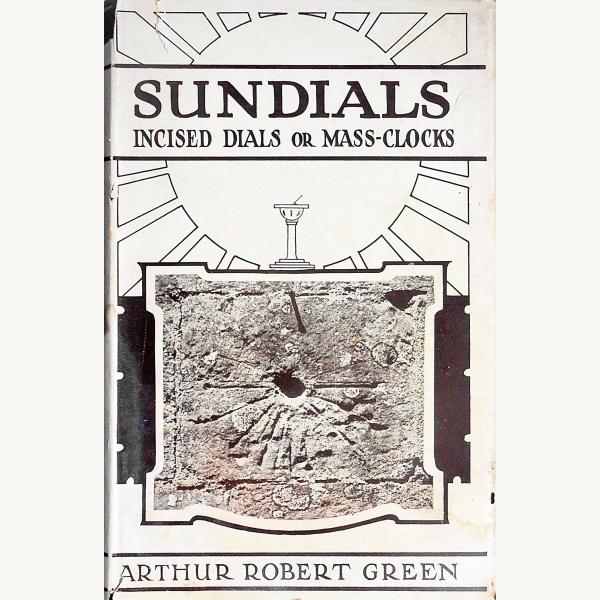
Sundials: Incised Dials or Mass-Clocks: A Study of the Time-Markers of Medieval Churches, Containing Descriptions, Photographs, Diagrams and Analysis of Dials, Chiefly in Hampshire but also in Various Other Counties
An early publication on types of mass dials, Saxon and Medieval, followed by details of their construction, function and time-keeping. Black & white photographic plates illustrate a variety of scratch dials from forty-three village churches across the South of England. Hardback.

Bembridge Windmill: Isle of Wight
A short visitor's guide to the history, construction and internal workings of this notable C18th windmill on the Isle of wight. Booklet. 16 pages. In very good condition. Cat No 5027
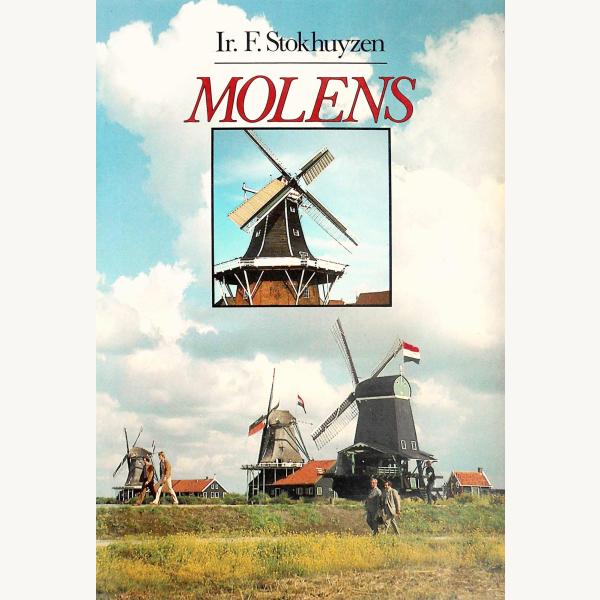
Molens
An extensive survey of the very many historic windmills still scattered across the landscape of the Netherlands which were used not only to grind grain but whose principal function was usually to pump water out of the dykes.
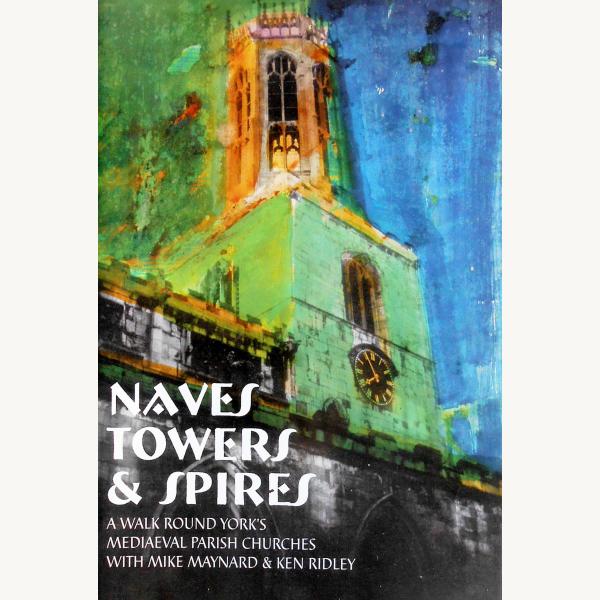
Naves, Towers & Spires: A Walk Around York's Mediaeval Parish Churches
Twenty-two churches described and illustrated in colour along with a walking itinerary. Paperback. 44 pages. Small inscribed dedication from the author on the title page, otherwise in good condition. Cat No 4966

Take a Chance on Me: Buildings at Risk Catalogue
Paperback. 192 pages. In near new condition. Cat No 4878
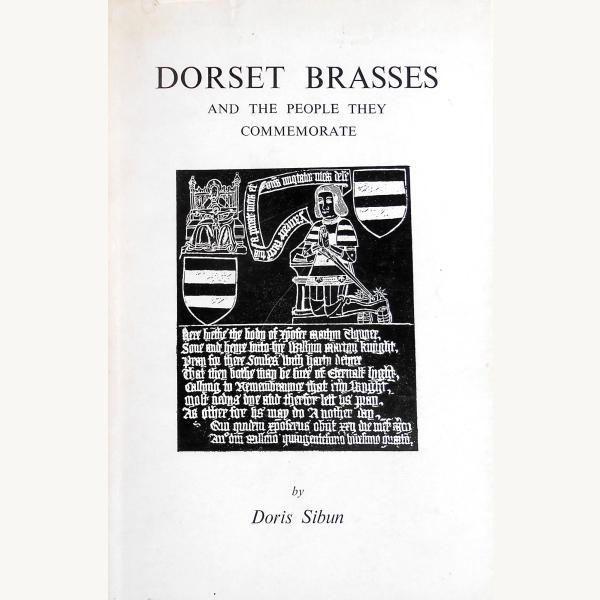
Dorset Brasses and the People They Commemorate
A gazetteer of Dorset churches which house historic monumental brasses. Each entry provides location information and details of date, inscription, armorial shields or escutcheons, and the identity of the person(s) whose biographical particulars are provided when known.

Gevelstenen in Amsterdam: Wandelen Langs Bijbelse Voorstellingen
A walker's guide to the fabulous number and variety of the ornamental gable stones that appear high up on old Amsterdam houses, introduced in the C16th and used, not only to adorn the building, but also to identify its occupants and their possible business.
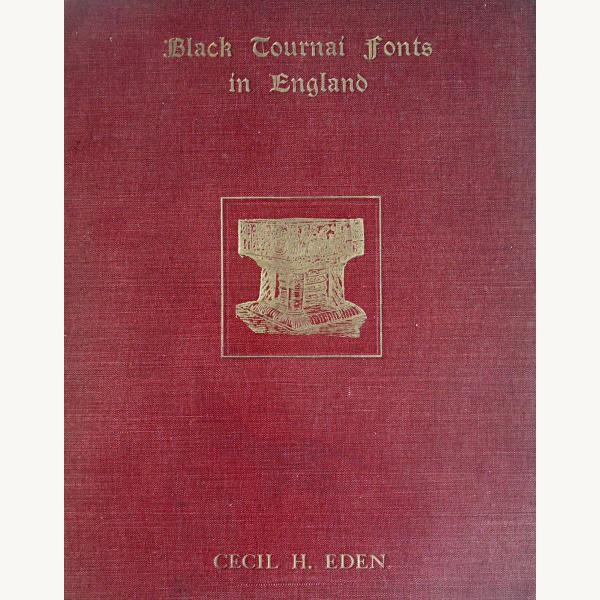
Black Tournai Fonts in England
The first book to give a thorough description and appraisal of the undisputed seven Tournai fonts found in southern England where they had been transported from their manufacturing base in Belgium despite being carved from heavy black carboniferous limestone (incorrectly termed 'marble').